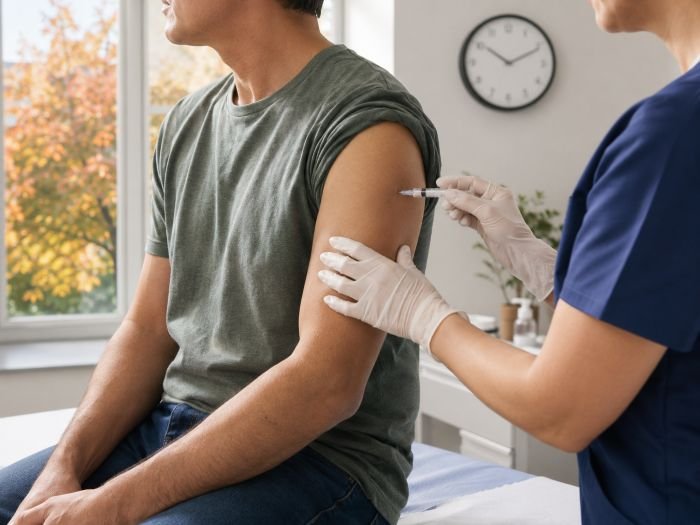
Influenza does not arrive randomly. Surveillance data collected across New Jersey shows a fairly consistent pattern year after year, with case counts building through late October, peaking somewhere between December and February, and tapering off in spring. Households that treat vaccination as a scheduled task rather than a reaction to illness tend to move through that window with far fewer disruptions.
The Assumptions That Push People Past October
A handful of persistent misconceptions account for most delayed vaccinations. The belief that the vaccine causes influenza remains the most common, though inactivated formulations contain no live virus and cannot produce the infection. Mild arm soreness or a day of fatigue reflects an immune response, not illness.
Another frequent assumption is that healthy adults have little to gain. Vaccination reduces the likelihood of infection, but it also lowers the severity of illness and the odds of hospitalization among those who do get sick. A third involves prior seasons. Immunity from last year’s vaccine fades, and circulating strains shift, which is the reason annual reformulation exists.
Risk Is Not Spread Evenly Across a Household
Certain groups carry substantially higher odds of complications from influenza, including pneumonia and worsening of existing conditions. Public health guidance identifies several populations that warrant particular attention:
- Adults 65 and older, who may benefit from high dose or adjuvanted formulations
- Children under five, especially those under two years of age
- People managing diabetes, asthma, COPD, or cardiovascular disease
- Pregnant patients, along with anyone caring for an infant too young to be vaccinated
Protecting a household often means vaccinating the people around a vulnerable member, not only the member themselves. Caregivers, siblings, and frequent visitors form the practical barrier between a virus and someone who cannot mount a strong immune response.
Access Determines Follow Through
Intention rarely fails on its own. Logistics do. A vaccination plan that requires a scheduled appointment, a weekday absence from work, and a drive across the county competes poorly against a busy season. Community pharmacies have absorbed much of this friction by offering walk-in immunization during regular business hours, including evenings and weekends in many locations.
Residents comparing options for a Flu Shot Pharmacy in Rockaway NJ generally find that the visit takes under fifteen minutes and requires nothing more than an insurance card. Most commercial plans and Medicare Part B cover seasonal influenza vaccination without a copay, and staff can usually confirm eligibility before the shot is administered rather than afterward.
Building the Rest of the Season Plan
Vaccination pairs naturally with a broader review of medications and supplies. Refill schedules can be aligned so that a household is not chasing prescriptions during a week when someone is already sick. Thermometers, fluids, and over the counter fever reducers cost far less attention in September than in January.
Local pharmacists remain an underused resource in that planning. A short conversation at the counter can surface interactions, clarify dosing for children, and identify which vaccines are due alongside the seasonal one.