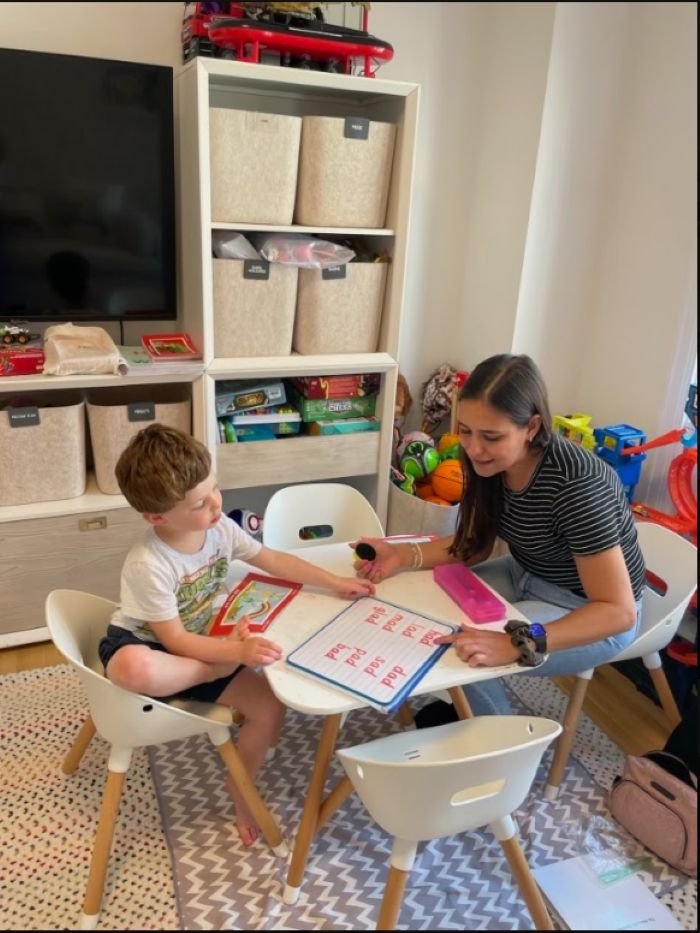
A child’s first reading lesson does not need to feel like school. At the preschool level, learning is most effective when it fits naturally into play, conversation, movement, and familiar routines. Early reading tutoring can provide that structure without placing unnecessary pressure on young learners. The goal is not simply to memorize words. It is to help children connect sounds, letters, meaning, and confidence in a way that feels enjoyable and repeatable.
Building Skills Before Formal School Starts
Plenty of children take an interest in letters and words before any reading instruction starts at school. Some ask what signs say, notice the first letter of their name, or try to copy words they see around the house. Those moments make good starting points for guided instruction.
A well-planned preschool reading program brings skills gradually. Children might start with letter recognition, then move into sound awareness, simple word patterns, and sight words. Since young learners develop at their own speeds, one-on-one tutoring can adjust the pace, the lesson length, and the style of activity to fit each child’s attention span and readiness.
Phonics and Sight Words Working Together
Phonics helps children understand how letters and sounds relate. Sight word instruction covers the words that show up often and do not always follow predictable sound patterns. Used together, the two give children more than one way to recognize and read a word.
A structured Phonics Reading Program can support this through repetition, visual cues, movement, and hands-on activities. Multisensory lessons might include saying a sound, tracing a letter, matching pictures, building words, and reading short phrases. That mix can improve recall while keeping the child actively involved.
The Value of Individual Instruction
Preschool reading tutoring is useful in large part because young children tend to do well with direct attention. A tutor can catch the small things that slip by in a group setting, confusion between similar sounds, trouble remembering letter shapes, hesitation with certain words.
One-on-one lessons can also offer:
- Flexible pacing based on the child’s progress
- Activities suited to the child’s learning style
- Immediate correction and encouragement
- Consistent practice without overwhelming the learner
Short, frequent sessions often do more than long ones. For very young children, thirty minutes can be enough to introduce, practice, and review a skill while keeping their interest.
Confidence Becomes Part of the Lesson
Reading development is not only academic. It also shapes how children see themselves as learners. A child who has early success is more likely to join in, ask questions, and take a run at unfamiliar words. Play-based instruction helps protect that confidence, making a mistake feel like part of the discovery rather than a failure.
A solid early reading foundation can support writing, vocabulary, comprehension, and classroom participation down the line. The result that matters most is not simply reading ahead of grade level. It is a child who comes to books with curiosity, notices their own progress, and builds a lasting connection with learning. At home, families can back up the lessons by rereading familiar books and celebrating the effort instead of demanding perfect answers.