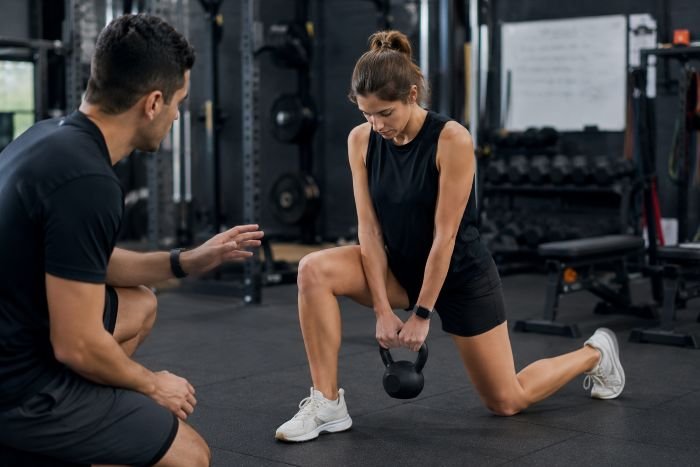
Fitness culture often rewards effort that looks impressive on the surface. Sweat, exhaustion, and a punishing workout tend to get mistaken for progress. Yet coaches who study long-term athletic development keep arriving at the same conclusion: hard work without a plan is simply fatigue. Progress is designed, not stumbled into, and the athletes who improve consistently are usually the ones following a system rather than chasing a feeling.
Programming Beats Random Effort
A well-built training model treats every session as one step in a longer sequence. Instead of pulling random circuits together, thoughtful coaches map out progression across weeks and months so that strength, mobility, and conditioning build on one another. This approach favors intention over intensity, and it tends to produce results that hold up over time. A Performance Training in Los Alamitos built around this idea treats structure as the foundation rather than an afterthought.
Structured programs generally prioritize a few core outcomes:
- Movement quality that reduces injury risk
- Steady strength development instead of erratic spikes
- Conditioning that supports sport, not just soreness
The point is not to make a workout harder. The point is to make it meaningful.
Endurance Coaching as a Long Game
Endurance work rewards patience more than almost any other discipline. Sustainable performance depends on gradual adaptation, careful recovery, and pacing that respects the body’s limits. Coaches who specialize in this space understand that a strong finish comes from consistent, repeatable effort rather than a single heroic session. That mindset carries over into every corner of fitness and sports, where longevity itself becomes a marker of real performance. If an athlete cannot sustain a training load, that load was never truly performance to begin with.
Developing Youth Athletes the Right Way
Young athletes face a different set of demands. Their bodies are still developing, and early specialization or excessive volume can create problems that surface years later. Responsible sports performance training focuses on building foundational qualities that serve an athlete for a lifetime rather than squeezing out short-term wins.
Effective youth development usually centers on:
- Speed and coordination appropriate for the athlete’s stage
- Strength introduced gradually and safely
- Movement literacy that translates across sports
Coaches who take this seriously protect the athlete’s future while still keeping training engaging and competitive.
Coaching as the Real Product
The most overlooked element in fitness is accountability. Equipment and creative exercises matter far less than a coach who tracks progress, adjusts programming, and holds an athlete to a standard. Confidence tends to follow competence, and competence comes from understanding the reasoning behind each session. This philosophy shapes facilities that treat coaching as the actual service, with the workout serving only as the vehicle for growth.
Training alongside others who value progress creates a culture of encouragement and shared effort. From first-time lifters to seasoned competitors, athletes chasing measurable improvement benefit most from a system that plans the work, respects recovery, and keeps the long game in focus.