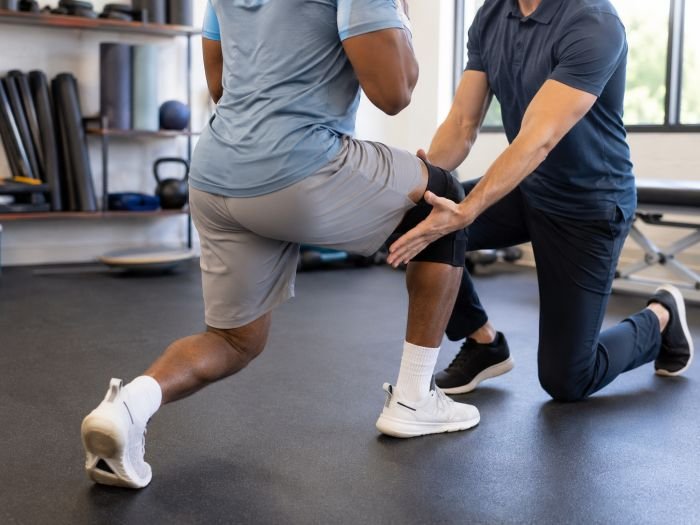
The instinct after an injury is to shut everything down and wait for the pain to fade. It feels responsible, and for a day or two it usually is. The trouble starts when rest stretches into weeks and the body quietly loses the strength, coordination, and conditioning it worked so hard to build. For many athletes and active adults, the smarter route is not to train around an injury by avoiding it completely, but to keep training through recovery with work that actively supports healing.
Rest Alone Does Not Rebuild
Time off can calm inflamed tissue, yet it does little to fix the reason an injury happened. Muscles weaken, joints stiffen, and movement patterns drift the longer activity stops. When someone finally returns to their sport, they often step back onto the field with less capacity than before and the original problem still unaddressed. That gap between reduced fitness and old habits is where reinjury tends to live.
The Right Load Is Part of the Cure
Tissue responds to demand. Applied carefully, controlled load signals the body to repair, adapt, and grow more resilient. Training through recovery means matching the type and amount of work to the current stage of healing rather than stopping altogether. In practice, that can look like:
- Gentle mobility work that keeps joints moving without aggravating them
- Isometric and light resistance exercise that maintains strength during early healing
- A gradual return to sport specific movement as tolerance improves
Each step keeps the body engaged while respecting the limits of the injury, so progress and healing happen together instead of one waiting on the other.
A Plan That Adjusts as You Heal
No two recoveries follow the same timeline. Pain levels, tissue type, and personal goals all shape what training through recovery should look like in a given week. A skilled Sports Chiropractor in Los Alamitos, CA assesses movement, adjusts the plan as symptoms change, and blends hands-on care with structured exercise so the load always fits the athlete in front of them. That steady, informed adjustment is what keeps active recovery both safe and effective rather than a guessing game.
Staying Ready for the Long Haul
The aim of good sports therapy is a body that can handle the demands of sport and daily life without breaking down again. Providers such as Olympus Sports Therapy build recovery around continued, guided movement rather than long stretches of doing nothing, helping athletes hold their fitness while the injury resolves and preparing them to come back at full capacity. For anyone tired of the stop and start cycle that complete rest creates, training through recovery offers a path that protects hard earned progress instead of erasing it. The body stays in motion, and the return to sport becomes a step forward rather than a fresh start.