A sprained ankle heals in weeks. A herniated disc often settles within months. Pain, though, does not always follow the schedule of the tissue it started in. Patients across New York describe burning, aching, or pressure that continues long after imaging comes back unremarkable, and that gap between the scan and the sensation is where most of the frustration lives.
Acupuncture has become a regular part of the response to those cases, less as an alternative to medical care and more as one piece of it.
Pain Without a Clear Picture on Imaging
Persistent pain often involves the nervous system rather than a single damaged structure. Muscles hold protective tension. Nerves stay sensitized. Circulation to an area drops and the tissue remains irritated well after the original injury has resolved. Studies on acupuncture point to measurable changes in local blood flow and pain signaling, which helps explain why patients with tension headaches, old sports injuries, or chronic pelvic pain report relief that lasts beyond the appointment itself.
The Shape of a Session
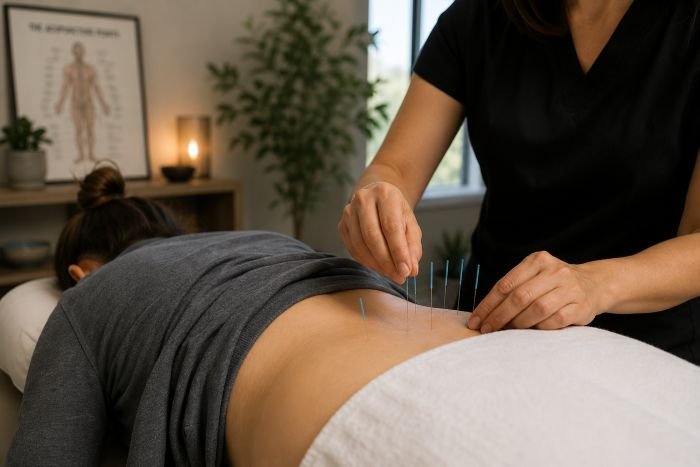
Practitioners offering Acupuncture for Pain Management NYC residents seek out generally begin with a long intake covering health history, medications, sleep, digestion, and treatments already tried. Needle placement follows from that conversation rather than from a fixed protocol. Depending on training, a session may draw on:
- Trigger point release, which targets tight bands of muscle directly
- Japanese meridian style, which uses shallower insertion and lighter stimulation
- Traditional Chinese Medicine, which reads symptoms across the whole body
Most sessions run 45 to 60 minutes. Patients tend to feel a dull heaviness rather than anything sharp, and plenty of them fall asleep on the table.
Pelvic Conditions and the Cases That Get Overlooked
Pelvic floor pain sits in an awkward diagnostic category. Frequent urination, painful intercourse, bowel changes, and deep aching often get attributed to stress once test results come back normal. Specialists in this area, many of them running small single-practitioner clinics in downtown Manhattan, tend to work alongside gynecologists, urologists, physiatrists, and pelvic floor physical therapists. That coordination matters, because pelvic pain rarely has one cause and rarely responds to a single intervention.
Endometriosis, chronic pelvic pain syndrome, pelvic organ prolapse, and stress incontinence all show up in this population, frequently in patients who have already cycled through several providers. Treatment in these cases is usually slow and cumulative, measured over a course of visits rather than one.
Fitting It Into an Existing Care Plan
Acupuncture does not replace surgery, physical therapy, or medication. Patients who get the most out of it typically use it alongside those things, often to bring pain down far enough that they can tolerate rehab exercises or reduce how much analgesic medication they need.
Credentials are worth checking. New York State licenses acupuncturists who have completed a master’s degree and hold NCCAOM diplomate status, and a practitioner’s post-graduate training, whether in orthopedics, pelvic health, or herbal medicine, says more about fit than years in practice alone.
Pain that lingers deserves a plan with more than one tool in it.