A delivery driver ran a stop sign in Illinois, rolled a vehicle, and walked away with a $2.5 million settlement. It wasn’t luck. According to GlobeNewswire, the firm hit the exact policy limits because the injured driver did the unglamorous stuff right from minute one. Documentation. Timing. Knowing which calls to make and which to avoid.
Most people don’t think about any of that until they’re standing on the shoulder of I-55 with a cracked bumper and a stranger yelling at them. By then it’s often too late to fix the mistakes that quietly kill a claim. Illinois logged over 300,000 crashes in a single recent year, according to state transportation data, and the difference between a fair settlement and a lowball offer usually comes down to what happened in the first 48 hours.
Here are the seven steps that actually matter, in the order they matter.
1. Check for Injuries First, Not Damage
Forget the bumper. Check yourself, then your passengers, then the other driver. Adrenaline hides pain extremely well. Whiplash, concussions, and soft tissue damage can take a day or two to show symptoms, and insurers love pointing to a delayed diagnosis as “proof” the injury wasn’t from the crash.
Call 911 even for a fender bender if anyone reports pain. Not calling is one of the most common regrets people mention after the fact.
2. Call the Police, Every Time
Illinois law requires a police report when a crash involves injury, death, or property damage above a set threshold, a rule the Illinois State Police lays out clearly on their crash reporting page. Even below that line, get an officer out there anyway. A police report is a neutral third-party record. Without one, it’s your word against theirs, and insurance adjusters know it.
3. Document Everything Before You Leave the Scene
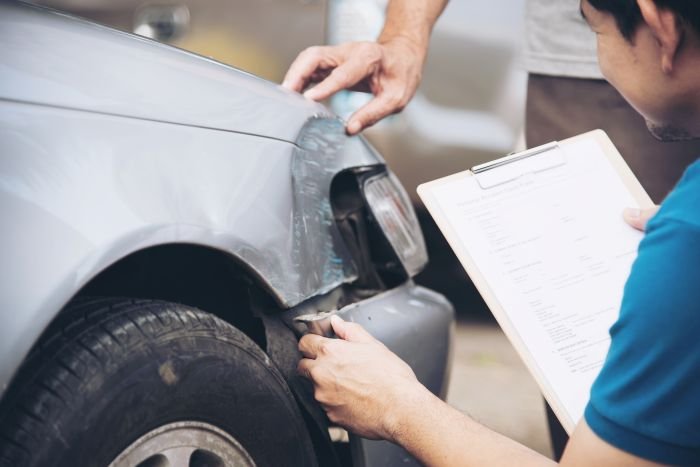
Photos of all four vehicles. Skid marks. Street signs. The other driver’s insurance card and plate. Weather conditions. Witnesses’ names and phone numbers, written down immediately because people who say “sure, call me anytime” tend to vanish within a week.
Do this even if the damage looks minor. Especially if it looks minor. Small-looking crashes sometimes hide big-money injuries, and the case referenced by Missouri Lawyers Media closed with a full policy-limits payout within six months, largely because the paperwork trail was airtight from day one.
4. Watch What You Say to Insurance Adjusters
The other driver’s insurer will call fast, sometimes within 24 hours. They are not your friend. Their entire job is minimizing the payout. “I’m fine” is a phrase that has cost people thousands of dollars because it gets quoted back later as evidence you weren’t hurt.
Give facts. Skip opinions. Never guess at fault out loud, because Illinois runs on a modified comparative negligence rule, meaning your compensation shrinks proportionally to any fault assigned to you, and once you’re found 51% or more responsible, you get nothing. The Illinois Department of Insurance spells this out under 735 ILCS 5/2-1116, and it’s the single most misunderstood rule in Illinois accident law.
Protecting Your Digital and Financial Accounts After an Accident
Here’s a part almost nobody thinks about until it bites them. A car accident doesn’t just generate a claims file. It generates a mess of logins, passwords, payment confirmations, and account activity that suddenly matters a lot more than it did last week.
Between the tow company invoice, the rental car deposit, the medical billing portal, and the insurance claims app, most Illinois drivers end up juggling four or five new online accounts within days of a crash. Each one asks for banking details. Each one is a fresh target for phishing scams that specifically prey on people who are stressed, distracted, and expecting emails from unfamiliar senders. Scammers know this. Fake “claim adjuster” emails spiked noticeably in states with high accident volume, per fraud-monitoring reports cited by consumer.ftc.gov.
The habits that protect you here are the same habits that protect any account holding your money or identity: unique passwords, two-factor authentication, and a hard rule against clicking links in unsolicited texts. That discipline matters whether the account in question is your claims portal, your banking app, or something more recreational. Illinois residents who split time between managing paperwork and unwinding online often keep a casino account active too, and if that’s you, the same account-security habits apply directly. Anyone looking for tips on Illinois online casinos should treat login hygiene, license verification, and payment security as seriously as they’d treat protecting a claims settlement, because the fraud tactics targeting both are nearly identical.
Gambling involves risk, and if you play, only wager what you can afford to lose.
5. Don’t Wait to See a Doctor, Even if You Feel Okay
Insurers use gaps between the crash date and your first medical visit as ammunition. A two-week delay reads as “not that serious” to an adjuster, even if you were genuinely fine at first and only started feeling it later. Get checked within 24 to 72 hours. Keep every receipt, every discharge form, every follow-up appointment card.
6. Know Your Deadline Before You Forget It Exists
Illinois gives injured drivers two years from the date of the crash to file a personal injury lawsuit, a timeline confirmed by Nolo’s legal encyclopedia. Two years sounds generous until you’re mid-recovery, juggling physical therapy, and the date quietly slips past you. Property damage claims often carry separate, shorter windows depending on the insurer. Mark the date the day it happens. Don’t rely on memory six months out.
7. Talk to a Lawyer Before You Sign Anything
Insurance companies sometimes offer a quick settlement within days of a crash. That speed is not generosity. It’s strategy. Early offers are almost always lower than what a case is actually worth, because the insurer knows medical costs and lost wages often surface later.
A consultation costs nothing in most personal injury cases. Sign nothing, cash no settlement checks, and don’t let a friendly adjuster rush you into a number before you understand what your claim is actually worth.
What This Means If You’re Driving in Illinois This Year
The DM Injury Law case that closed at $2.5 million this month wasn’t unusual because of the crash itself. Rollovers happen. Stop-sign violations happen constantly. What made the difference was a driver who documented everything, said little to the insurer, and let the paperwork do the talking months later.
That’s really the whole playbook. Protect your health first. Protect the record second. Protect your accounts, digital and financial, the entire time. None of it guarantees a seven-figure outcome, but skipping any one of these steps is how fair settlements quietly become unfair ones.
FAQ
Do I have to call the police for a minor fender bender in Illinois? Illinois law requires a report when there’s injury, death, or property damage above the state’s set threshold. Below that, it’s not mandatory, but getting an officer out anyway creates a neutral record that protects you if the other driver later disputes what happened.
What happens if I’m partly at fault for the crash? Illinois follows modified comparative negligence. Your compensation gets reduced by your percentage of fault, and if you’re found 51% or more responsible, you can’t recover anything. This is why what you say to adjusters matters so much.
How long do I have to file a claim in Illinois? Generally two years from the crash date for personal injury claims, per Illinois statute. Property damage deadlines can differ by insurer, so check your policy directly rather than assuming the same window applies.
Should I accept the first settlement offer? Usually not right away. Early offers tend to undervalue claims because medical costs and lost income often aren’t fully known yet. Talk to a lawyer before signing anything or cashing a check.
Why do insurance scams spike after accidents? Victims expect emails and calls from unfamiliar numbers right after a crash, which makes them easier targets for fake adjuster scams. Treat unsolicited claim-related messages the way you’d treat any phishing attempt.