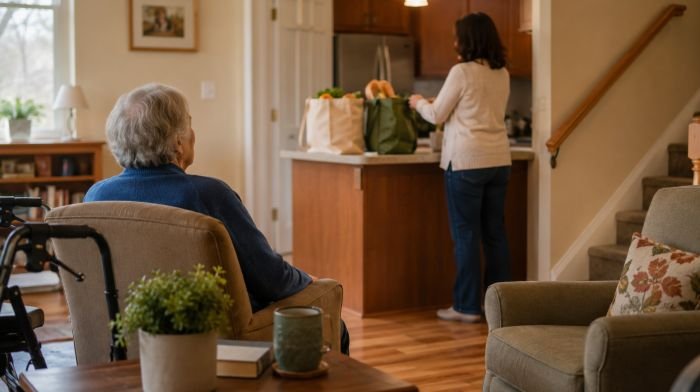
Most older adults, if asked directly, would rather grow old in the house they know than move into an unfamiliar facility. What’s changed recently isn’t that preference, but the range of support available to make it realistic. Families in Montgomery County now have more tools than ever to keep a parent safely at home, provided they know what to look for.
Why the Home Wins Out
Hospitals, memory units, and assisted living communities all serve a purpose, but they come with tradeoffs: shared spaces, fixed schedules, and a loss of the small routines that make a place feel like home. Many families find that staying in a familiar house helps a loved one feel more settled and connected to daily life, and that keeping those familiar surroundings can ease some of the stress that comes with a major change. It also tends to cost less, especially when support scales with actual need instead of a flat facility rate.
Reading the Warning Signs Early
Families rarely wake up one day and decide help is needed. It usually builds gradually. Some common indicators worth watching for:
- Repeated trips to buy groceries that are never used
- Skipped doctor appointments or refilled prescriptions sitting untouched
- A house that’s noticeably less tidy than it used to be
- Difficulty with stairs, bathing, or getting up from a chair
- Withdrawal from phone calls or visits with friends
Catching these early usually means the family has more options and more time to plan calmly, rather than reacting during a crisis.
What Sets Strong Caregiving Apart
Not all home care arrangements are built the same way. The ones that work well over time tend to share a few traits. Care plans are built around the specific person, not a generic checklist, and they adjust as conditions change rather than staying fixed for a year at a time. Caregivers are matched deliberately based on personality and skill rather than assigned at random, which matters more than people expect once trust and routine are involved.
There’s also a growing use of simple technology to flag changes in behavior, sleep, or mobility before they turn into a fall or a hospital visit. Combined with a support team that includes more than a single caregiver, families get a layer of oversight that catches problems earlier.
Finding the Right Support Locally
For families researching In-home Senior Care in Gaithersburg, MD, the details of pricing and flexibility matter as much as the caregiving itself. Contracts that require large deposits or lock families in for months can turn a good decision into a stressful one if circumstances change.
Local providers with decades of experience in the region tend to understand the specific resources and medical networks available in the area, rather than relying on a recent national rollout. In the end, keeping someone at home safely is less about a single decision and more about building the right support around them as their needs evolve.