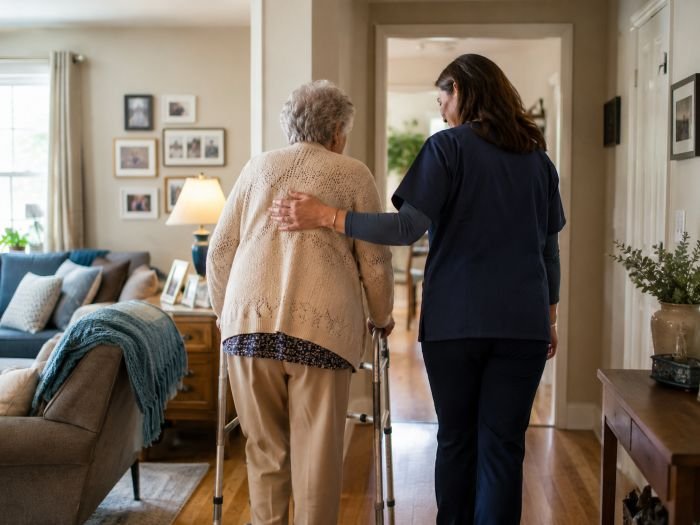
Growing older in North Carolina increasingly means staying put. Across Wake County, from Raleigh to Cary to Wake Forest, more families are deciding that the best place for an aging parent is the home they have lived in for years. That decision reflects a broader trend in senior care, one that favors familiarity, routine, and independence over the disruption of a move.
Why Home Wins
The reasons behind this preference are practical as much as emotional. A familiar environment reduces confusion, especially for seniors managing memory conditions. Known layouts lower the risk of falls. Longtime neighbors and nearby routines provide a sense of continuity that facilities rarely replicate. Studies on aging repeatedly point to the same conclusion: older adults tend to stay healthier and more content when they remain in surroundings they recognize. For many households, arranging In-Home Senior Care Services in Wake County has become the way to make that possible without sacrificing safety.
The Range of Support Available
Think of in-home care as a spectrum rather than a single service. It scales up or down with the level of need, which is much of why it works across so many different situations. What that support typically covers:
- Assistance with daily tasks like bathing, dressing, grooming, and getting around the house
- Companionship that keeps loneliness at bay and supports emotional health
- Overnight or live-in arrangements for those who should not be alone
- Memory-focused care for seniors living with dementia or Alzheimer’s
- Help returning home safely after a hospital stay
Technology has found a place alongside traditional caregiving with some providers, too, monitoring tools and connected devices that add a layer of safety while a senior stays comfortably where they are.
What Separates Good Care from the Rest
The difference between adequate and excellent in-home care usually comes down to the caregiver. Experience matters a great deal. Aides who have spent years in the field notice small changes in health or mood before they become problems, and they build the kind of trust that makes daily assistance feel less like intrusion. Agencies that keep their staff for long stretches tend to deliver steadier care, since low turnover means seniors see familiar faces rather than a rotating cast of strangers. Families evaluating options are wise to ask how long caregivers have worked in the field and how long they have stayed with their current agency.
Practical Considerations for Families
Choosing in-home care involves weighing several factors at once. Cost is often the first, since support may continue for months or years. Scheduling flexibility matters for households juggling work and caregiving. The breadth of available services determines whether a single provider can meet changing needs over time. Reputation and consistent recognition within the senior care community offer useful signals of quality.
The larger point holds steady across the Research Triangle. Aging at home is no longer a compromise on care. With thoughtful planning and the right support, seniors throughout Wake County can keep their independence, their routines, and the walls that hold their memories, while their families rest easier knowing help is close at hand.