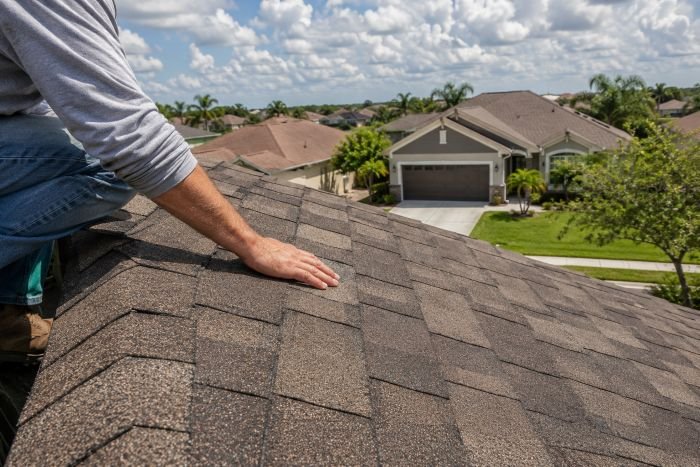
Few building components work as hard as a roof in Central Florida. Between relentless sun, sudden afternoon downpours, thick humidity, and the yearly threat of hurricane season, the average roof around Orlando absorbs punishment that roofs in milder climates rarely face. Understanding that strain helps homeowners and property managers make better decisions about repair, replacement, and long term care.
The Climate Roofs Have to Survive
Central Florida weather is tough on roofing materials in ways that are easy to underestimate. Constant UV exposure breaks down shingles and sealants faster than the national average. Heavy seasonal rain finds weak points in flashing and underlayment, while high humidity feeds algae growth and slow moisture damage below the surface. Storm season then adds wind uplift and flying debris to the mix. A roofing system in this region works against a demanding environment for most of the year, which is why local wear patterns look different from what crews see in cooler, drier states.
Homes Built to Handle the Heat
Residential roofs around Orlando need materials chosen for local conditions rather than generic products pulled off a shelf. Asphalt shingles stay popular for their balance of cost and performance, though plenty of homeowners also weigh metal and other modern systems suited to high heat and frequent storms. A proper inspection usually turns up more than a quick look from the street, so experienced roofers tend to begin with a full assessment before recommending repairs or a replacement. That habit helps homeowners protect their investment and avoid a nasty surprise during the wettest months.
Commercial Roofs and the Cost of Downtime
For commercial properties, a failing roof means more than water stains on the ceiling. Flat and low slope systems such as TPO, modified bitumen, and metal each react differently to Florida heat and rainfall, and each takes specific knowledge to install and maintain correctly. Regular maintenance almost always costs less than an emergency repair, especially for warehouses, retail centers, and offices where a single leak can halt daily operations. Property managers who schedule routine evaluations often add years to the life of their roofing.
What Skilled Local Contractors Bring
Local knowledge carries real weight in a market this specialized. Roofing Contractors in Central Florida who actually live and work in the region tend to understand its building codes, permit requirements, and storm patterns far better than crews brought in from out of state. A few traits usually separate a dependable roofer from the rest:
- Clear communication and honest assessments before any work starts
- On time scheduling with the right equipment for the job
- Deep familiarity with the roofing systems common to Florida homes and businesses
A roof in this part of the state rarely gets a break, so the people caring for it should know exactly what they are up against. Companies rooted in the area, such as CFL Roofing, tend to earn their reputations on that kind of steady, weather-tested experience.