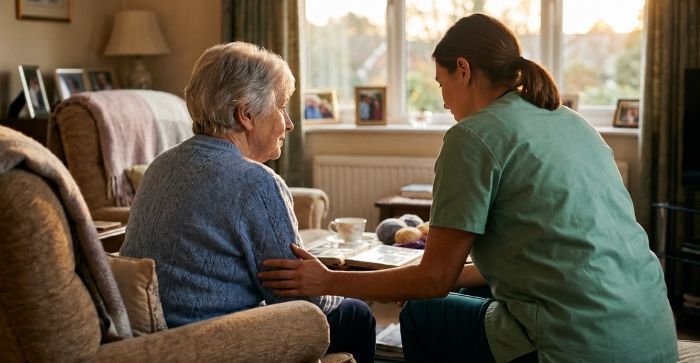
America’s population curve is bending in a direction the care industry has been preparing for since the early 2000s. The Administration for Community Living projects that adults aged 65 and older will make up roughly a fifth of the U.S. population within the next decade. That shift is reshaping how families think about elder care, and it is reshaping which business models are positioned to meet the need.
An Industry Responding to Longer Life Expectancy
Longer life spans mean more years spent managing chronic conditions, mobility limitations, or cognitive decline, often while still living independently. Hospitals and insurers have also pushed toward shorter inpatient stays and more recovery time spent at home, which has increased reliance on non-medical home care providers to fill the gap between hospital discharge and full independence.
This has turned home care from a niche service into a mainstream part of the healthcare continuum, with agencies now coordinating closely with physicians, discharge planners, and family caregivers rather than operating as an isolated offering.
The Role of Live-in Care in Family Decision-Making
Not every family needs a caregiver for a few hours a week. Some situations, particularly involving dementia, post-surgical recovery, or advanced frailty, call for constant supervision. This is where Live-in Home Care Services tend to enter the conversation, since they provide continuous, in-home support from a consistent caregiver rather than a rotating schedule of short visits.
Families often choose this arrangement because it reduces the disruption of moving a loved one into a facility while still ensuring someone is present for emergencies, medication timing, and daily routines. For agencies, however, delivering this level of service reliably requires strong staffing infrastructure, since a single live-in placement demands more coordination than several hourly visits combined.
Where Franchising Adds Structural Support
Most independent home care startups face the same challenges: finding enough qualified caregivers, keeping up with state compliance rules, and building a referral pipeline that remains steady. Franchise systems are built to handle these exact problems, giving new owners established training, recruiting support, and marketing tools that would otherwise take years to figure out alone.
That kind of backing is why franchising has become a natural path for people leaving healthcare, management, or corporate jobs to start a caregiving business, especially those who want to serve their community without building everything from zero.
Signs of a Well-Positioned Care Franchise
Individuals researching this sector typically look at a short list of indicators before committing:
- Decades of operating history and brand credibility
- Systems for caregiver sourcing and retention
- Technology supporting scheduling and care documentation
- Support for opening multiple territories under one owner
As demand for home-based elder care continues to climb, franchise systems built around operational efficiency and caregiver support are likely to remain a central part of how this industry scales to meet the country’s aging population.